Covering a Designer’s Leave or Hiring Gap Without a 12-Month Contract
A maternity cover, a departure, or a launch needs capacity for a set period, not a permanent hire or a year-long contract. The options, and a faster way.
Sometimes you do not need another permanent designer. You need capacity for a set period: a maternity or sick-leave cover, the gap after someone resigns, a launch that spikes the workload, or a senior role you cannot fill fast enough. The problem is that the usual ways of covering that gap are built for either a permanent hire or a long commitment, neither of which fits a temporary need. Hiring is slow. Some larger design subscriptions require a year-long commitment. A freelancer scramble leaves you managing it yourself. This guide covers the real options, their drawbacks, and how to get dedicated capacity month to month, with the same people, starting within two business days.
Why a temporary gap is hard to cover
The first issue is time. Hiring is slower than most plans assume. Reported hiring benchmarks put time to hire around 38 to 44 days, and senior creative roles usually run longer because the right person is harder to find, with strong candidates often off the market within a couple of weeks. Add the interview rounds, the notice period, and the ramp once they start, and a hire you begin today realistically lands months from now. If your gap is open now, a permanent hire does not close it in time.
The second issue is commitment. A temporary need is, by definition, temporary. Committing to a year-long contract to cover a three-month absence means paying for capacity you no longer need once your own person is back. The shape of the problem is short and specific, so the solution should be too.
The options for covering a gap
There are more ways to cover a gap than "hire someone," and each suits a different situation.
| Option | Best for | The drawback |
|---|---|---|
| Freelance designer | A defined project, a short backlog, or occasional support | Availability can be uncertain, and you manage the briefing, quality control, and coordination yourself |
| Temporary or interim hire | A known three to twelve month absence, like maternity or sick leave | Recruitment still takes time, and the person still needs onboarding before they are productive |
| Staffing or recruitment agency | Urgent cover when you have no time to source candidates | Higher cost, and the available person may not be the right technical or cultural fit |
| Creative agency | A launch, a campaign, or a clearly defined production brief | Less embedded in your business, and costs climb if the scope is unclear or keeps changing |
| Managed or dedicated team | Ongoing design, video, motion, and web production without a permanent hire | Needs clear briefs and brand onboarding, and a real day-to-day communication model |
| Internal redistribution | A short, light absence you can absorb | Your existing people get overloaded, strategic work slips, and quality and morale suffer |
For a genuine temporary gap, the shortlist usually comes down to a freelancer, a managed team, or stretching your own people. The question is which one gives you reliable capacity that does not leave when you need it most.
Why some design subscriptions do not fit a temporary need
A design subscription can cover this kind of gap, but the terms and delivery model matter. Check four points before committing.
High minimums can make short cover expensive. A year-long contract can outlast the gap. If prices are not published, comparison requires a sales call. If designers change between requests, continuity suffers. Not every subscription has these restrictions, so confirm the terms and who will work on your brand.
What a temporary gap actually needs is the reverse: a published price so you can decide quickly, a clear minimum term and notice period so you can plan the end of the cover, the same dedicated people so the work stays consistent, and a fast start so the cover begins before the backlog grows.
How Room4 Teams covers the gap
Room4 Teams is built for exactly this situation. You get a dedicated team on monthly terms, with a two-month minimum and a published price, so there is no year-long contract and no sales call just to see what it costs. The same people work on your brand for the length of the cover, so you get the continuity a gap is meant to protect, not a new freelancer each week. And because it is a team rather than one person, there is no single-hire dependency: if someone is out, the work still moves, which is the whole point when you are already short-handed.
You brief the work and approve it. Room4 Teams’ own project manager and creative director own the resourcing, the supervision, and the quality control, so covering the gap does not become a second job for whoever is left. The team includes the specialists your work needs: graphic designers, motion graphics artists, video editors, UI designers, web designers, and web developers, so one arrangement covers more than one skill. The fee also includes the software and AI tools the team needs, stock videos and photos, unlimited tasks and revisions, and a secure portal, and you receive the source files. Production priority and communication through Slack or your tools are also included. You have a full team producing within two business days of starting, you can grow the team immediately and reduce it with one month’s notice after the two-month minimum, and a dedicated team runs around 45% less than the loaded cost of hiring the same role in-house (salary plus employer taxes). See what we produce and how it works, or read managing freelancers without the breakdowns and a design subscription versus a dedicated creative team.
Frequently asked questions
How do you cover a designer on maternity or sick leave without hiring?
How long does it take to hire a senior designer?
Why is a 12-month contract a poor fit for a temporary need?
What should you look for when covering a gap quickly?
How fast can Room4 Teams start a cover?
More on Creative Production
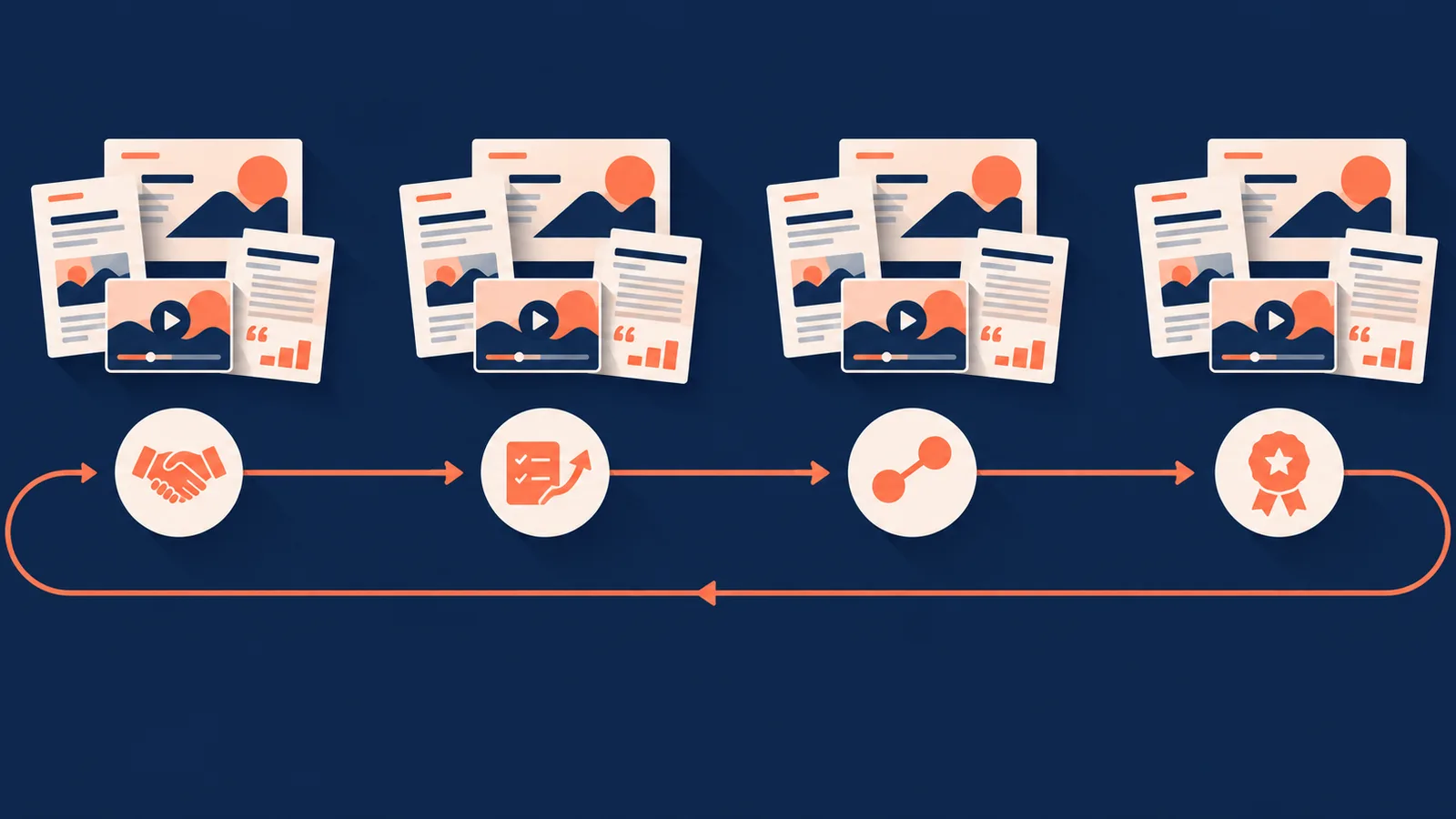
Marketing Collateral Design Services: The Whole Customer Journey
A dedicated team designs your collateral across the whole customer journey: sales, onboarding, referral, and advocacy. What it covers and how to choose one.

Creative overflow: handle the peaks without a freelancer scramble
Creative demand spikes then falls. Staff for the peak and you pay for idle time. Compare the overflow options and what gives capacity without a scramble.

You Hired a Designer. Now They Manage Five Freelancers.
You hired one creative to make the work. Now they brief and chase five freelancers. Why the role drifts, what it costs, and how to get the output back.