Design as a service: how to get a full design team without hiring
Design as a service gives you a design team on a monthly fee, no hiring. Here is how it works, what it includes, and how to start in two business days.
Design as a service, sometimes called DaaS, is an outsourced model where you pay a recurring monthly fee for ongoing access to a designer or a design team, instead of hiring an employee or quoting every project one at a time. You send requests through an agreed workflow, and the provider delivers them under a set capacity, queue, or service level. It is built for companies that need more design help but do not want to add headcount to get it.
This guide covers what design as a service is, how it works, what it includes, how it compares to hiring in-house or using freelancers, what to look for in a provider, and how a full team can be producing your work within two business days.
What is design as a service?
Design as a service is a subscription arrangement that gives you design capacity on demand. Rather than recruiting a designer or briefing separate projects with separate contracts, you subscribe to a plan, submit briefs through a shared workflow, and receive finished assets on a predictable cycle.
The core idea is capacity, not a one-off deliverable. You are buying a steady stream of design output, held to a standard, without the fixed cost and commitment of an employee. Some providers give you a single designer working through a queue. Others give you a team of specialists who cover more formats and can run work in parallel. That difference matters, and we come back to it below.
How does design as a service work?
Most design as a service arrangements follow the same path from sign-up to delivery.
- Choose a plan. Plans differ by the number of active requests, the size of the team, turnaround time, service hours, and the design specialisms covered.
- Submit a brief. You send requests through a client portal, a project-management tool, email, or a shared workspace, so everything sits in one place.
- Work moves through the queue. Many single-designer services handle one request at a time even when they advertise "unlimited," so requests are completed in sequence. A team-based provider can run several at once.
- Review and revise. The provider delivers an initial version, takes your feedback, and revises within the agreed scope.
- Receive the production files. Final assets are supplied in the formats you need, such as Figma, Adobe, PowerPoint, PDF, SVG, PNG, or editable video.
- Repeat each month. The service continues while your subscription is active, and good providers let you scale, pause, or change the plan as your workload shifts.
One point is worth being clear about, because it is where "unlimited design" claims mislead people. Design as a service sells ongoing capacity, not unlimited simultaneous output. "Unlimited requests" usually means you can add as many items to the queue as you like, not that they all get produced at the same time. The real question is how much finished work you get per week, and that depends on the size of the team behind your account.
What can design as a service include?
Scope varies by provider and plan, but a full-service arrangement can cover most of what a marketing team ships:
- Presentation and sales-deck design.
- Social-media graphics and campaign assets.
- Digital advertising creative.
- Landing pages and website graphics.
- Brochures, one-pagers, reports, and ebooks.
- Infographics and diagrams.
- Email and newsletter assets.
- Brand templates and production adaptations.
- Illustration, iconography, and image work.
- Motion graphics and video editing on higher-tier or team-based plans.
Lower-cost, single-designer services tend to stay in static graphic design. If you also need motion, video, web design, or development, you need a provider whose team includes those specialists, not a queue built around one generalist.
Design as a service vs hiring in-house vs freelancers
The reason companies look at design as a service is almost always the same: they need more creative output, and the two obvious alternatives each have a catch.
Hiring in-house gives you dedicated, embedded people who know your brand, but it is slow and expensive to build. You carry salary, benefits, employer taxes, recruitment, and management, and a single hire covers a single skill. If your needs move from static design to video one month and web the next, one employee cannot cover it.
Freelancers give you flexibility, but you carry the coordination. You brief each person separately, chase availability, re-explain your brand every time someone new joins, and hold the quality together yourself. When volume rises, the management becomes the job.
Design as a service sits between the two. You get ongoing capacity without a hire on your books, work moves through one workflow instead of many, and you can scale or pause as your calendar changes. The trade-off to watch is throughput: a single-designer subscription runs sequentially, so if you need several things moving at once, you want a team-based provider that can produce in parallel and give your work priority.
What should you look for in a design as a service provider?
A few questions separate a provider that will actually take work off your plate from one that adds a new queue to manage.
Ask what the team covers. If you need more than static graphics, confirm the provider has motion, video, web, and UI specialists, not just one designer. Ask how much finished work you get per week, not how many requests you can submit, so you understand real throughput rather than a queue length. Ask who owns quality and direction, because a provider that includes a project manager and a creative director takes the supervision off you, while a bare queue leaves it on your desk. Confirm how fast you can start, since fast onboarding is one of the main reasons to choose this model. Check that you receive the source files and that the work is delivered in the formats you use. And confirm you can scale, pause, or change the plan, so the flexibility is real and not locked behind a long commitment.
Room4 Teams: a full design team, live in two business days
Room4 Teams is design as a service built as a dedicated team, not a single-designer queue. You get your own team drawn from the talent your work needs: motion graphics artists, video editors, graphic designers, UI designers, web designers, and web developers. Because the team is dedicated to you, it learns your brand once and works only on your account, so you are not re-briefing a new person for every job.
You do not hire anyone to get started, and you are not left to run the work. The all-inclusive fee covers a project manager and a creative director who own the onboarding, the supervision, and the quality control, so your role is to brief the work and approve it. The fee also covers all the software and AI tools the team needs to produce efficiently, stock video and stock photos, unlimited tasks and revisions, and a secure portal. Because the team is yours, you get production priority instead of a shared queue, you receive the source files, and the team works over Slack or inside your existing tools.
The part that makes it plug and play: you have a full design team producing your work within two business days of starting. There is no recruitment cycle, no ramp, and no month of setup. You brief, and the team delivers. On cost, a dedicated team runs around 45% less than the loaded cost of hiring the same role in-house (salary plus employer taxes).
See what we produce and how it works, or read how to scale creative production without growing headcount and how a design subscription compares to a dedicated creative team. When you are ready, request rates and we will reply within one business day.
Frequently asked questions
What is design as a service?
How does design as a service work?
Is "unlimited" design really unlimited?
How is design as a service different from hiring or using freelancers?
How fast can a design as a service team start?
More on Creative Production
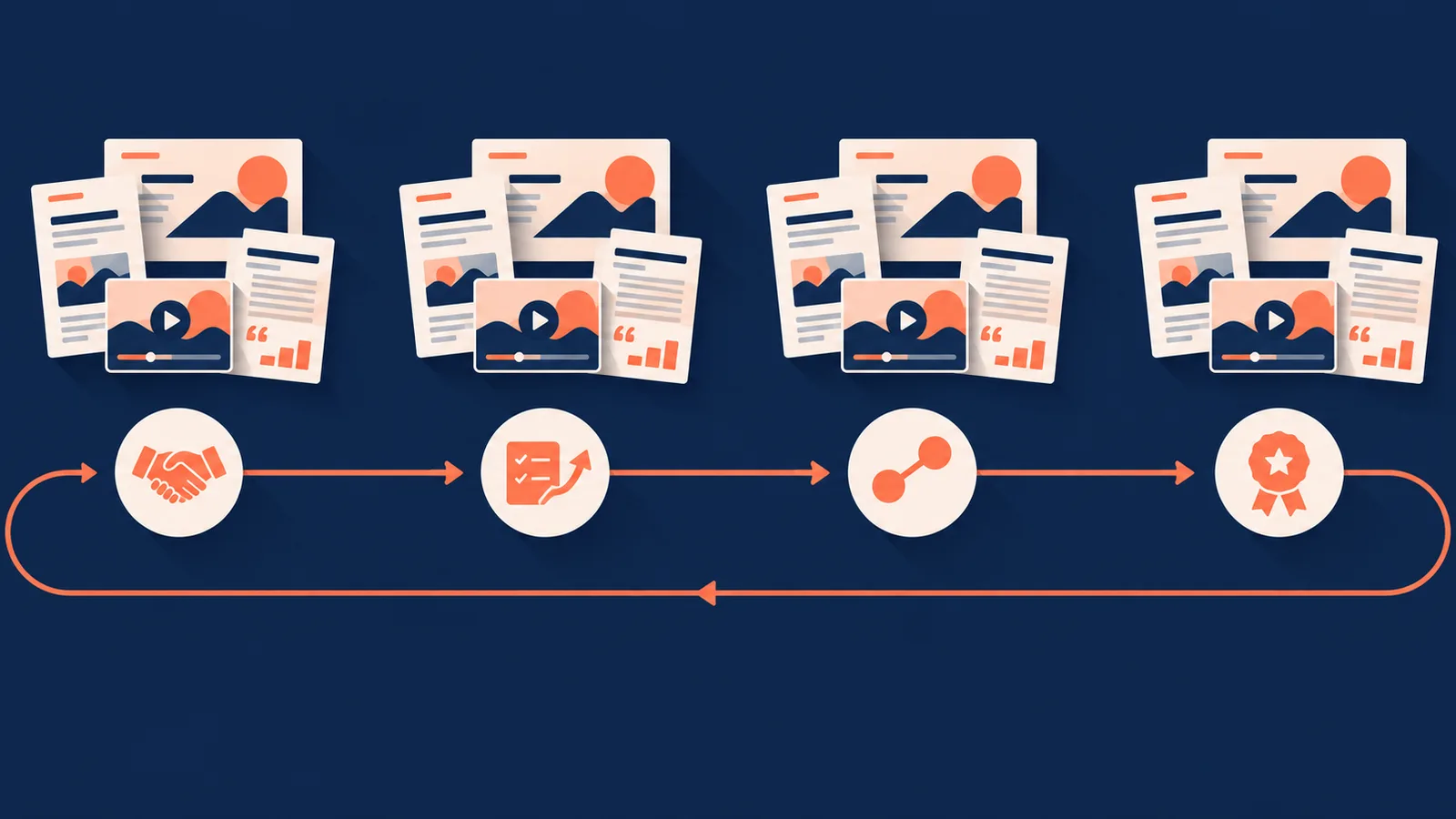
Marketing Collateral Design Services: The Whole Customer Journey
A dedicated team designs your collateral across the whole customer journey: sales, onboarding, referral, and advocacy. What it covers and how to choose one.
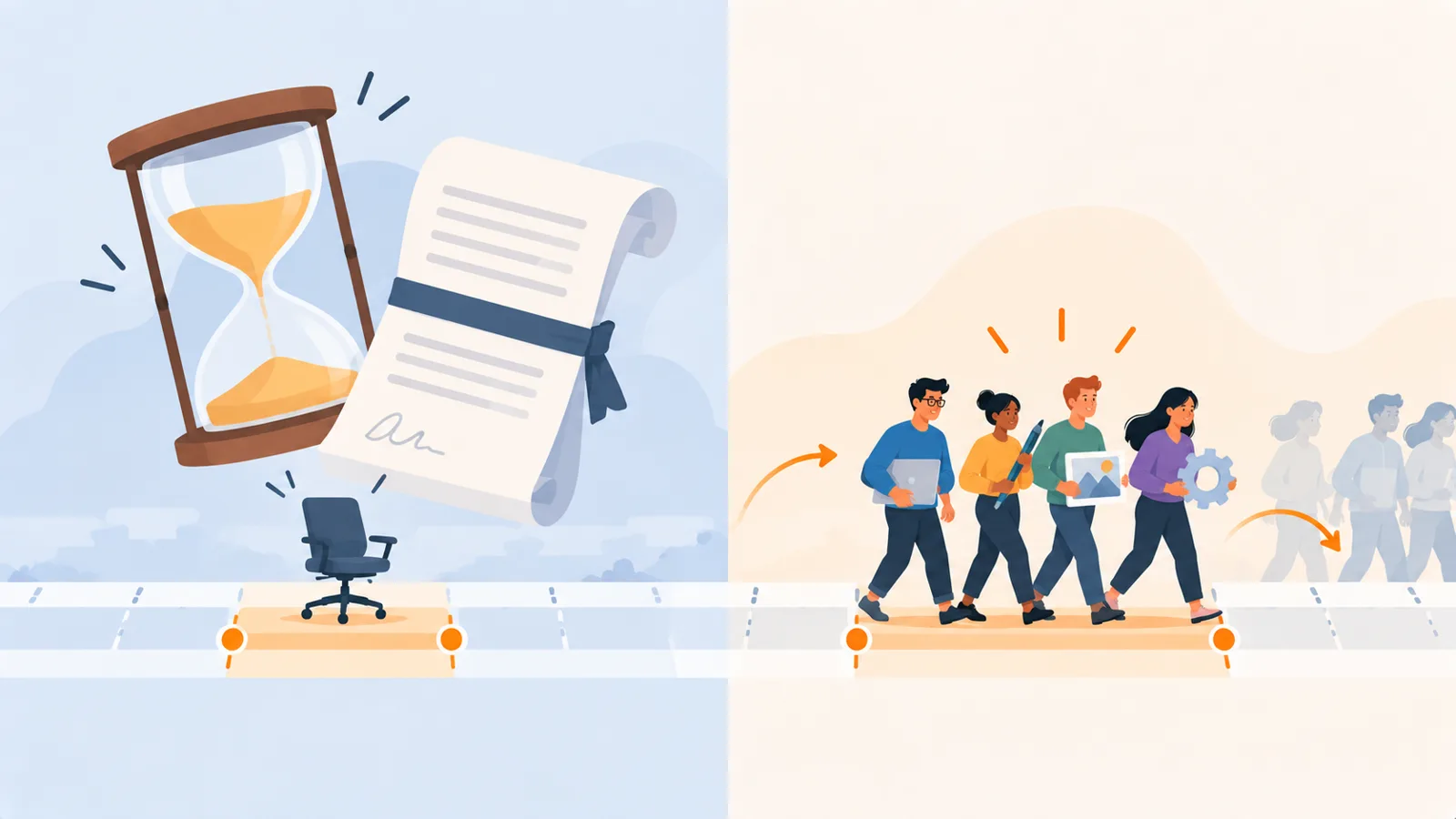
Covering a Designer’s Leave or Hiring Gap Without a 12-Month Contract
A maternity cover, a departure, or a launch needs capacity for a set period, not a permanent hire or a year-long contract. The options, and a faster way.

Creative overflow: handle the peaks without a freelancer scramble
Creative demand spikes then falls. Staff for the peak and you pay for idle time. Compare the overflow options and what gives capacity without a scramble.