Creative operations: how to run and scale creative production
Creative operations is the system that turns creative strategy into produced work. Here are the roles, the workflow, the bottlenecks, and how to scale.
Creative operations is the system that sits between creative strategy and finished work. It defines how work is requested, planned, produced, reviewed, approved, delivered, and measured, so a team can produce more without losing speed, quality, or brand consistency. It covers the people, the process, the tools, and the governance behind creative production. When it works, requests do not get lost, briefs are clear, approvals move, and the same asset is not rebuilt three times. When it breaks, the team is busy but slow, and demand outruns the people you have. This guide covers what creative operations includes, the roles and workflow, the common bottlenecks, and how to scale production when the work grows faster than headcount.
What is creative operations?
Creative operations, sometimes called creative ops, is the operating system for a creative or marketing team. It is the layer that turns strategy into produced work in a repeatable way, rather than reinventing the process for every project. It exists so the team can scale output without the quality and the brand drifting.
Think of it as the connective tissue between the idea and the delivery. Strategy decides what to make and why; production makes it; creative operations makes sure the work moves cleanly from one to the other, on time and on brand, every time.
What does creative operations cover?
It covers four things: people, process, tools, and governance. In practice, that is a long list of moving parts that all have to work together.
On the process side, it covers intake, briefs, project management, communication, status tracking, review cycles, version control, asset storage, and distribution. On the planning side, it covers resource planning, budget oversight, and prioritization. And it covers the assets that make production repeatable: design systems, templates, brand rules, and the tracking of turnaround and revision metrics. The point of all of it is to remove friction, so the team spends its time making work, not chasing it.
What are the roles in creative operations?
Creative operations can be a dedicated team or a set of responsibilities shared across existing roles, depending on company size.
Common roles include a creative operations manager who owns the system, a project or traffic manager who moves work through it, a producer, a resource planner who matches work to capacity, a digital asset manager who owns the library, and a workflow or systems owner. In a small team, one person often does all of it at once: taking in requests, scheduling, chasing approvals, and improving the process on the side. That overload is usually the first sign a team has outgrown its current setup.
What are the stages of a creative operations workflow?
A standard creative operations workflow has five stages, and the discipline is in making each one clean.
The five stages are intake, briefing, production, review, and delivery. Some teams wrap a longer loop around them, adding audience insight and strategy at the front and performance measurement and learning at the back, so results feed the next brief. What matters is that every stage has a clear owner, clear inputs and outputs, and clear approval rules, so work does not stall in the gap between two people. Most delay in creative production happens at the handoffs, not inside the work itself.
How do teams scale creative production?
By making work repeatable instead of custom every time. A team that rebuilds each asset from scratch hits a ceiling fast; a team with systems keeps producing as volume climbs.
The common scaling methods are modular asset libraries, templates for recurring formats, standardized briefs, batching similar tasks together, clearer approval paths, and outsourcing overflow or specialist work to add capacity without a permanent hire. The strongest setups also feed performance data back into the next round, so the team makes more of what works. Scaling is not about working faster; it is about removing the steps that make each new piece slow.
What are the most common creative operations bottlenecks?
The same problems show up in most teams, and naming them is the first step to fixing them.
The frequent ones are vague briefs that send work back for rework, too many stakeholders in the approval chain, slow approvals, poor asset organization, and no clear view of where each job stands. Add repetitive manual tasks, unclear ownership of who does what, and assets that get recreated because there is no searchable library. Above all is resource overload: demand grows faster than headcount, priorities shift, and the team cannot keep up. That last one is the bottleneck that a better process alone cannot fix, because the problem is capacity, not workflow.
What are creative operations best practices?
Start by mapping the end-to-end workflow and finding where time is actually lost. Then standardize the highest-friction steps first, usually intake, briefing, review, and approvals, because fixing those creates the biggest gains for the least effort.
From there, document who owns each stage, centralize the brand rules and templates so consistency does not depend on any one person, and measure turnaround time and revision cycles so you can see whether changes are working. Treat creative operations as a system that improves over time, not a one-time fix. A simple model captures most of it: one intake form, one brief template, one asset library, one approval path, and one performance feedback loop. That structure moves a team from "everyone asks for everything differently" to a predictable pipeline.
Where a dedicated creative team fits in creative operations
Process fixes solve friction, but they do not add hands. When the bottleneck is capacity, demand growing faster than your headcount, the fix is more production capacity that plugs into your operations without a permanent hire. That is where a dedicated creative team fits.
Room4 Teams gives you a standing team that slots into your creative operations as the production layer. You keep the strategy, the intake, and the brand governance; the team produces the volume against your briefs and templates. It comes with the roles that creative ops depends on: a dedicated creative project manager who runs communication and moves work through review and approval, and creative direction that holds quality and brand. The team works from your systems, so consistency holds as output grows. See what we produce.
You choose how it runs. The managed service takes the briefs and returns finished work, from one team member up, on one fixed monthly fee that covers unlimited tasks, unlimited revisions, and the full tech stack: all software, all AI tools, and all the stock libraries we use. The integrated option embeds our creative production in your tools. You set priorities and approve the output; we remain responsible for our people, methods, and quality. On cost, a dedicated team runs around 45% less than the loaded cost of hiring the same role in-house (salary plus employer taxes). See pricing. The team starts within two business days and flexes with one month's notice, so you add capacity for a busy stretch and reduce it after. See how it works, or read how to decide between resourcing models in freelancers vs agency vs a dedicated team. Agencies can have the team work under their own brand.
For a closer look at running design on a fixed monthly plan, read how a design retainer works. For the outsourcing view of the same system, read graphic design outsourcing.
What to do next
If your team is busy but slow, start by mapping where time is actually lost. Fix the handoffs first. Then decide whether the remaining gap is process or capacity.
If it is capacity, a dedicated creative team plugs into your operations and produces the volume without a permanent hire. Build your team and we will reply within one business day with the team shape and rates.
Frequently asked questions
What is creative operations?
What are the stages of a creative operations workflow?
What are the biggest creative operations bottlenecks?
How do you scale creative production?
How does a dedicated creative team support creative operations?
More on Creative Production
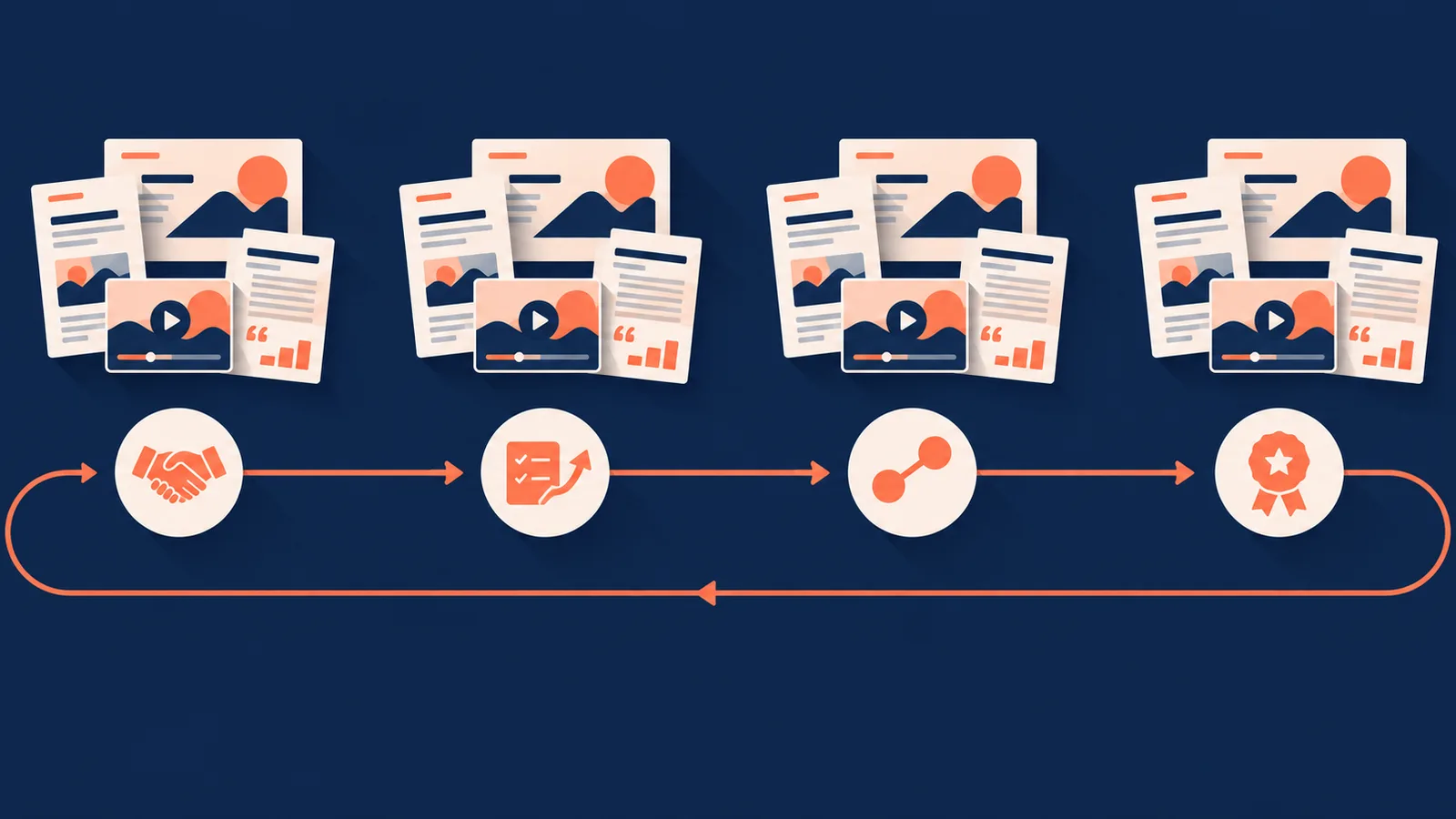
Marketing Collateral Design Services: The Whole Customer Journey
A dedicated team designs your collateral across the whole customer journey: sales, onboarding, referral, and advocacy. What it covers and how to choose one.
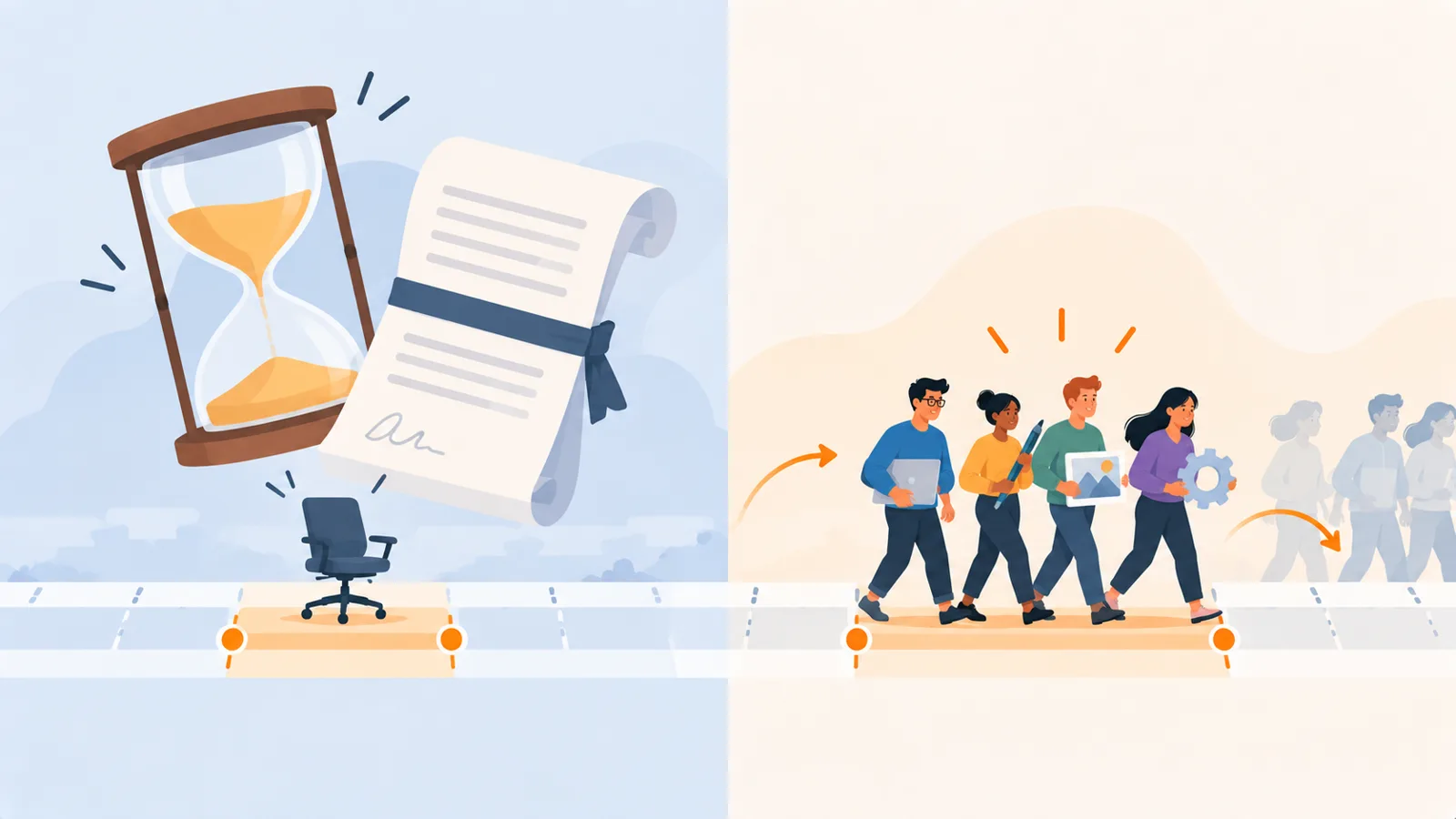
Covering a Designer’s Leave or Hiring Gap Without a 12-Month Contract
A maternity cover, a departure, or a launch needs capacity for a set period, not a permanent hire or a year-long contract. The options, and a faster way.
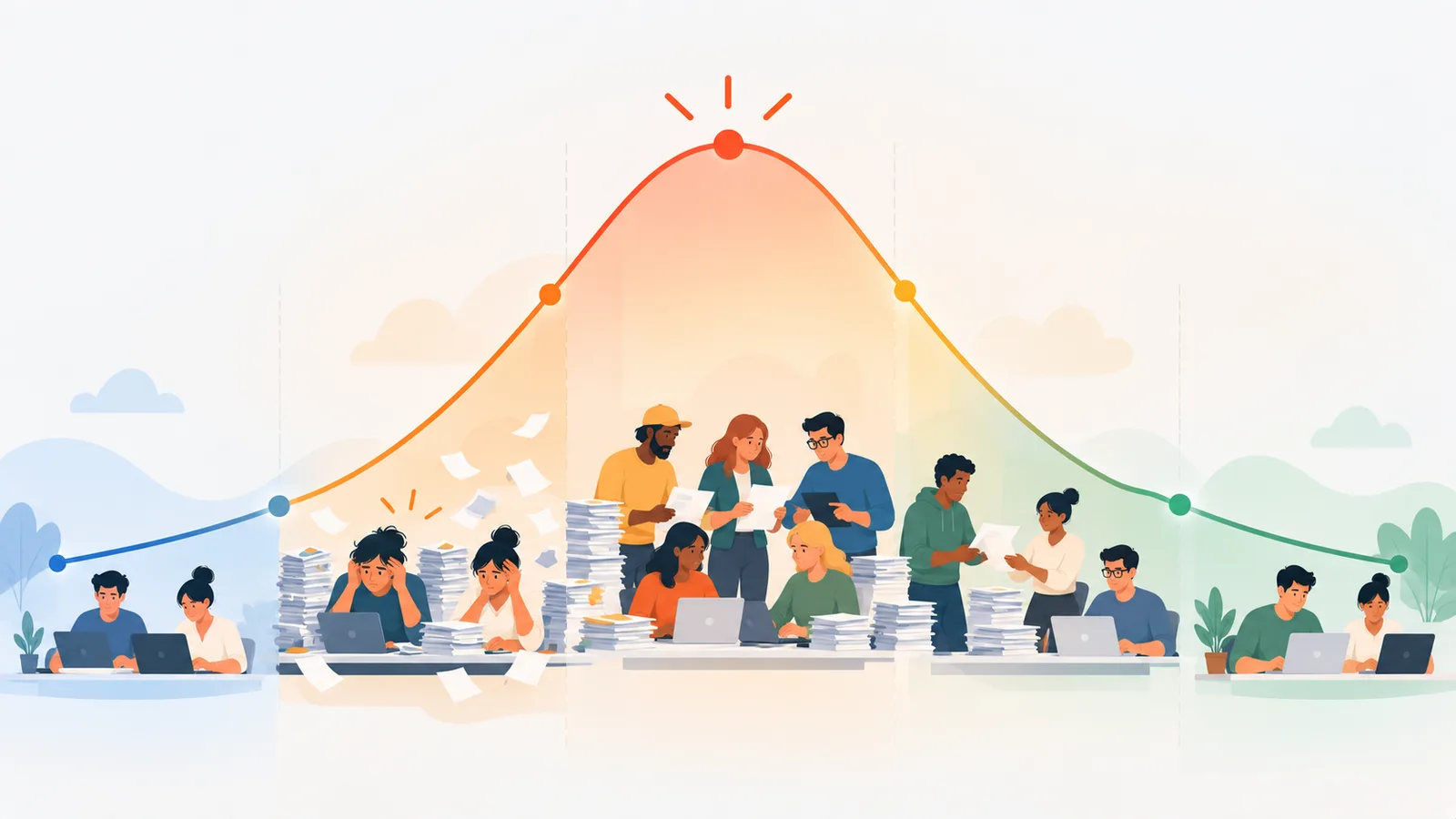
Creative overflow: handle the peaks without a freelancer scramble
Creative demand spikes then falls. Staff for the peak and you pay for idle time. Compare the overflow options and what gives capacity without a scramble.