Design Bottleneck: Why Campaigns Stall and How to Fix It
A design bottleneck is when requests pile up faster than your team can produce. Here is why it forms, what it costs, and how to clear it.
A design bottleneck is when creative requests pile up faster than your team can produce them, so campaigns wait on assets, deadlines slip, and quality drops as everything gets rushed. It forms because a small team is fielding requests from every direction while the internal queue puts marketing behind product and executive work, and the volume keeps climbing faster than the team does. You do not clear it by working harder or by waiting months for a new hire. You clear it by tightening how requests come in and adding production capacity that flexes with demand. This guide covers what a design bottleneck is, why it forms, what it costs you, and how to clear it.
What is a design bottleneck?
A design bottleneck is the point where demand for creative work outruns your capacity to produce it. Requests for social graphics, ad variants, decks, video edits, and landing pages arrive faster than the team can turn them around, so a queue builds and everything downstream waits. The campaign is ready to go, but it sits idle waiting on the assets.
It is easy to spot once you know the signs: the same one or two people are always the blocker, deadlines get pushed, work ships rushed and inconsistent, and marketing starts trimming ambition to fit what the team can physically make. The bottleneck is not a talent problem. It is a capacity problem.
Why does the design bottleneck form?
It forms for a few reasons that stack on top of each other.
Your team is small and the requests come from everywhere. A lean creative or marketing team supports demand generation, product marketing, sales enablement, and executive comms all at once, so design requests arrive from every corner of the business. Your queue puts marketing last. When product and executive work jump the line, the marketing assets that drive campaigns keep getting bumped, so they are always late. And the volume keeps climbing. Marketing now runs on a constant output of design, video, and social content, and that demand grows faster than headcount does, so a team that coped last year is underwater this year.
Put together, these mean the bottleneck is structural, not a sign anyone is doing a bad job. The work simply outgrew the setup.
What does a design bottleneck cost you?
More than a few late assets. Campaigns stall because the creative is not ready, so launches slip and the window you planned around closes. Quality drops because everything is rushed, and rushed work is inconsistent work, which chips away at the brand. Your best people burn out carrying the overflow, which risks the exact talent you cannot afford to lose. And you lose momentum: the ideas that needed to ship this quarter wait until next, and the compounding value of consistent output never builds.
The quiet cost is opportunity. Every campaign that ships late or watered down is growth you planned for and did not get, and that number is far larger than the cost of clearing the bottleneck.
Why hiring does not clear the bottleneck
Hiring feels like the answer, but it is slow and fixed. A new designer takes months to find, onboard, and bring to speed, so it does nothing for the campaign stuck in the queue today. And once they are in, you carry that cost permanently, whether next month is a launch crunch or a quiet stretch. Design demand is spiky, it surges around launches and events and quiets between them, so a fixed hire is the wrong shape for it: too small in the peaks, idle in the troughs.
You can also end up back where you started. Add one designer to a team already drowning, and a busy quarter fills their capacity too, so the bottleneck returns. Clearing it for good means capacity that moves with demand, not a single permanent seat.
How do you clear a design bottleneck?
Two things together. First, tighten how work comes in. Give every request a clear brief, set priorities so the important work is not crowded out by the loudest request, and run production as a managed queue with real turnaround expectations instead of a pile of ad hoc asks. A living brand system and reusable templates let work move faster without quality slipping.
Second, add production capacity that flexes. Route the volume to a dedicated production team on a defined monthly output, so you raise capacity for a launch crunch and lower it when things quiet, without a permanent hire. You keep the strategy, the brand, and the final say inside; the outside team absorbs the volume that is causing the backlog. That combination clears the queue and keeps it clear, because the capacity now grows and shrinks with the demand instead of staying fixed while the demand moves.
How Room4 Teams clears your design bottleneck
Room4 Teams gives you a dedicated creative team that absorbs the production volume backing up your queue, across graphic design, motion graphics, video, social ads, and web design and development. You keep the strategy, the brand, and the final say; the team produces the work, so campaigns stop waiting on assets. A dedicated creative project manager runs communication and quality control, and creative direction holds the brand, so clearing the backlog does not cost you consistency.
You choose how it runs. The managed service takes the briefs and returns finished work, from one team member up, on one fixed monthly fee that covers unlimited tasks, unlimited revisions, and the full tech stack: all software, all AI tools, and all the stock libraries we use. The integrated option embeds our creative production in your tools. You set priorities and approve the output; we remain responsible for our people, methods, and quality. On cost, a dedicated team runs around 45% less than the loaded cost of hiring the same role in-house (salary plus employer taxes). See pricing. The team starts within two business days and flexes with one month's notice, so you raise capacity for a launch crunch and lower it after. See how it works, or read more on how to scale creative production without growing headcount and creative operations. Agencies can have the team work under their own brand.
Frequently asked questions
What is a design bottleneck?
Why does a design bottleneck form?
What does a design bottleneck cost?
Why does not hiring fix it?
How do you clear a design bottleneck?
More on Creative Production

When Your Marketing Team Is Designing in Canva: What to Hand Off
DIY design in Canva and AI tools is right for some work and costly for the rest. What it really costs, what to keep in-house, and what to hand off.
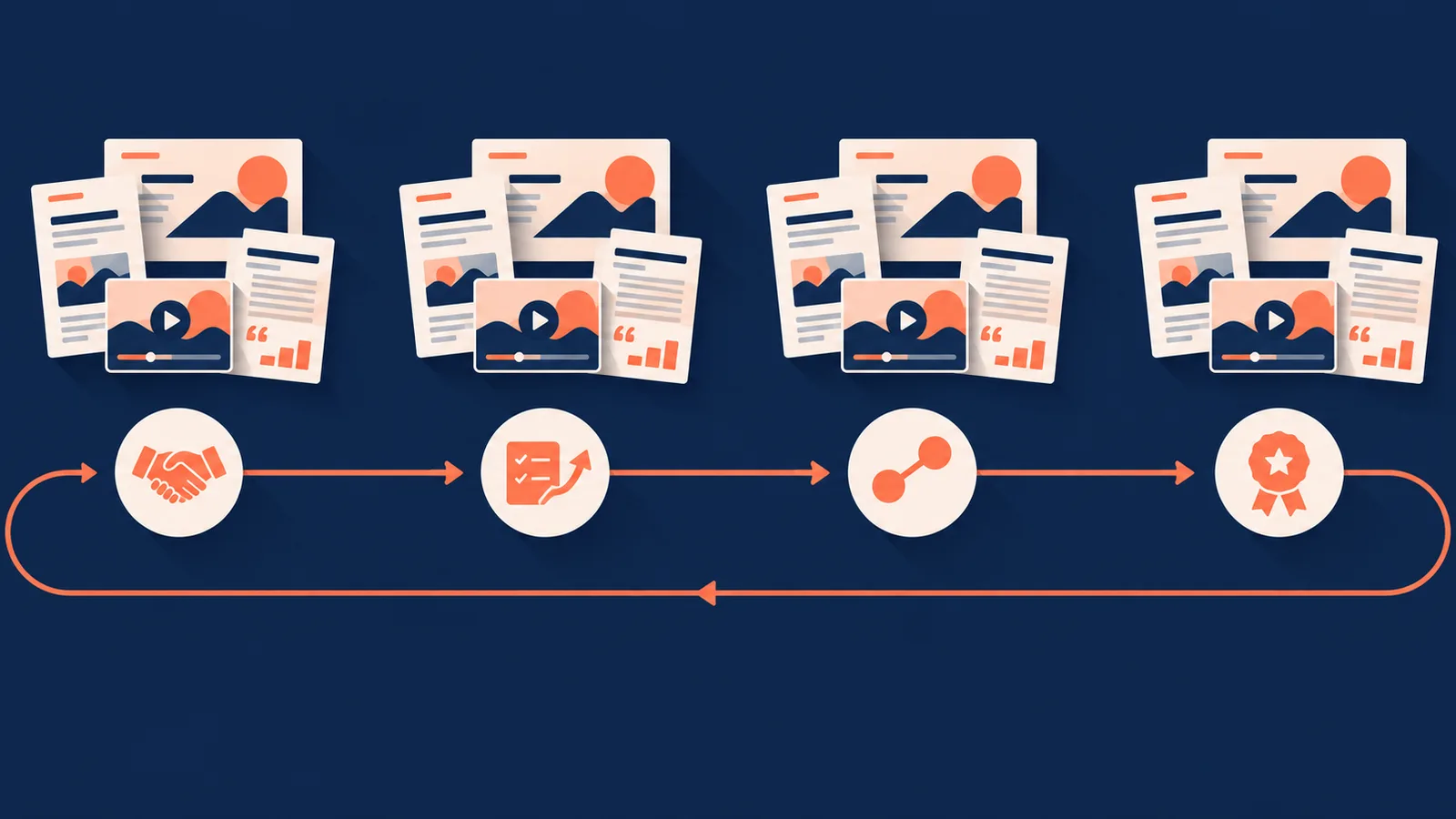
Marketing Collateral Design Services: The Whole Customer Journey
A dedicated team designs your collateral across the whole customer journey: sales, onboarding, referral, and advocacy. What it covers and how to choose one.
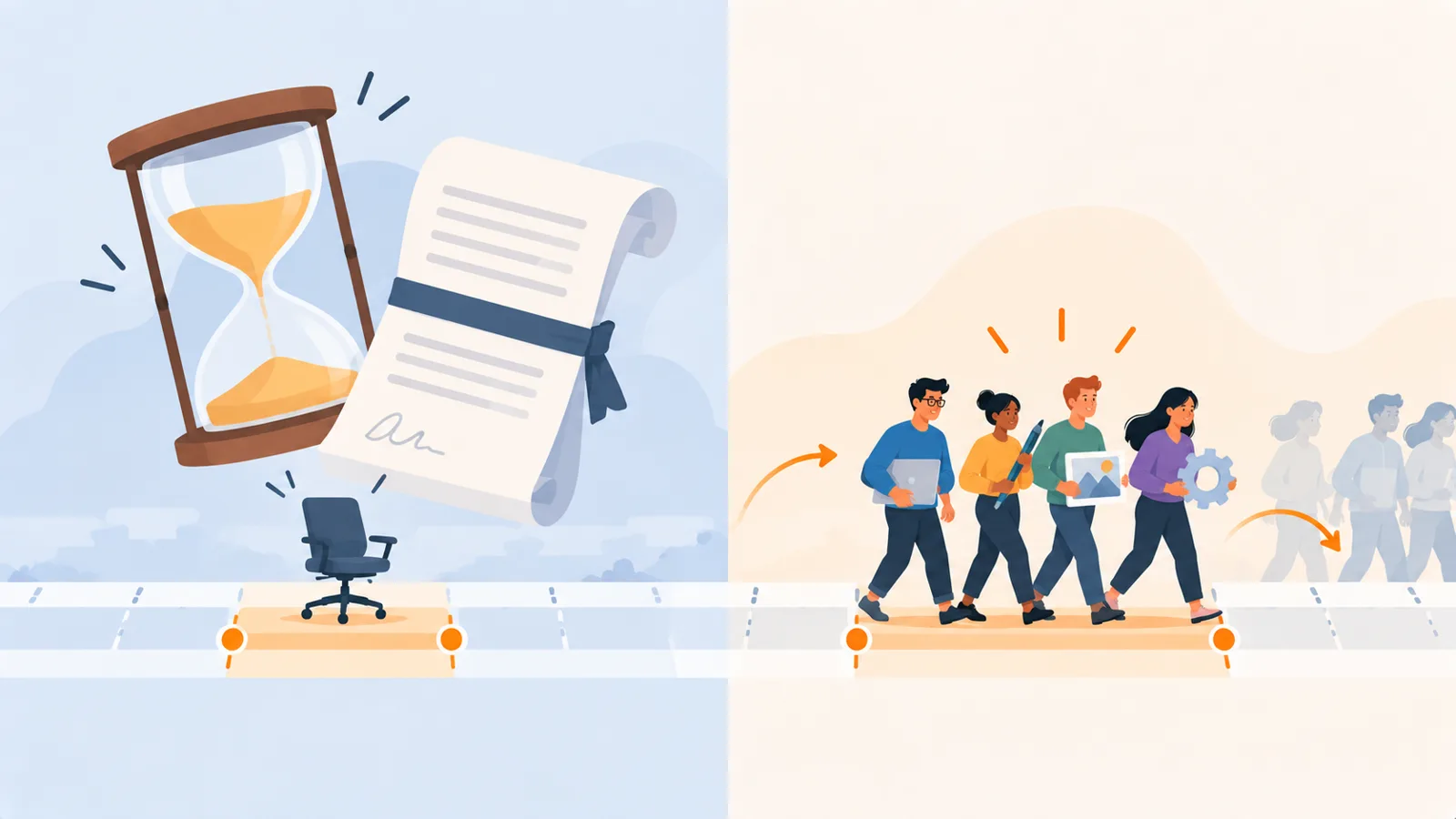
Covering a Designer’s Leave or Hiring Gap Without a 12-Month Contract
A maternity cover, a departure, or a launch needs capacity for a set period, not a permanent hire or a year-long contract. The options, and a faster way.