Social Media Video Production: Keep Up at Volume
Social media video production means making ad and organic video at the pace social demands. Here is what it involves and how to produce it without hiring.
Social media video production is the making of the short, platform-native video that marketing runs on: paid ads, organic posts, reels, and shorts. The defining challenge is not one video, it is volume. Social burns through content faster than any other channel, in more formats and aspect ratios, and it dates in weeks. Most of it is produced remotely from footage, animation, motion graphics, and editing, so no film crew is needed for the bulk of it. The real question is how to make enough of it, on brand, without hiring a full team. This guide covers the formats, what production involves, how much volume social needs, and how to keep up.
What is social media video production?
It is the process of making video built for social platforms: short, sound-optional, captioned, and cut to the aspect ratio each placement needs. It covers paid ad creative, organic content, and the fast-turn reactive posts that ride a trend or a launch.
Social video differs from other video work in three ways. It is short, so the first two seconds carry most of the weight. It is high-volume, because platforms reward frequency and creative fatigues fast. And it ships in many versions, since one idea becomes a vertical cut, a square cut, a captioned cut, and several lengths. That combination is what makes production a volume problem, not a one-video problem.
What types of social media video are there?
Most social video falls into a handful of types.
Paid ad creative is built to convert and is tested in many variants, so you are rarely making one, you are making ten. Organic content carries the brand day to day: education, behind the scenes, and series. Short-form vertical, reels and shorts, is the format platforms push hardest. Product and demo clips show the thing in use. Testimonial and interview cuts turn one recording into many posts. Motion graphics and animation carry the work that has no footage: data, explainers, and text-led posts.
Each type is remade per platform and per ratio, which multiplies the count. A single shoot or animation can produce a month of posts if it is planned and edited that way.
How much video does social media actually need?
More than most teams can produce in-house, and that is the core issue. A brand posting across even two or three platforms, running paid tests, and keeping an organic calendar needs a steady stream of cuts every week, not a batch every quarter. Paid creative adds its own demand, because ad performance decays as the audience sees the same cut, so you refresh constantly.
The volume is not just more videos; it is more versions of each. One asset becomes vertical, square, and landscape, with and without captions, at several lengths, sometimes localized. The count multiplies quietly, and it is the reason social video overwhelms teams that plan for the idea but not the output.
Do you need a film crew for social media video?
For most of it, no. A large share of social video is edited from existing footage, shot simply on repeatable setups, or built entirely from motion graphics and animation. Captions, versioning, and reformatting for each platform are edit-room work, not shoot work. That is why social video can be produced remotely and at pace.
You need a shoot when a post depends on new footage: a product in the real world, a person on camera, an event. A practical split is to capture footage in occasional batches, then feed a rolling production line that cuts, animates, versions, and captions week to week. The recurring work is where the volume lives, and it does not need a crew.
What does producing social media video involve?
The sequence is consistent, whatever the format.
It starts with the brief and the idea: the platform, the goal, the hook, and the message. Then production: editing footage, building motion graphics and animation, recording voiceover where needed. Then the part social makes heavy, versioning: cutting each asset to every ratio and length, adding captions, and localizing. Then review and delivery in the formats each platform ingests.
Build for reuse from the start. Plan the shoot or the animation so one asset yields many posts, keep the project files organized so a new cut does not mean starting over, and hold a template for captions and end cards so the work stays on brand across hundreds of pieces. Volume is won in how you set the work up, not in working faster.
How do you produce social media video at the volume it needs?
This is where most brands stall. A few videos is a project. A full social calendar plus paid testing, refreshed every week, is an operation, and it needs steady capacity.
| Approach | Best for | Where it strains |
|---|---|---|
| In-house team | Constant, high-volume social with a set style | Cost of the hires; one editor rarely covers edit, motion, and animation |
| Freelancers | Occasional bursts or one format | Coordinating several skills; availability at peak; brand consistency drifts |
| Agency per campaign | Big launches and hero pieces | Cost per project; slow for weekly volume; re-briefing each time |
| Dedicated remote team | Ongoing weekly volume across formats | Needs a clear brief and a named owner on your side |
For a weekly social operation, a standing team that already knows your brand, your templates, and your platforms will produce more, and keep it consistent, than an arrangement rebuilt for each burst.
How Room4 Teams produces social media video
Room4 Teams gives you a dedicated creative team that produces social video as ongoing volume, not one-off projects: paid ad creative, organic content, reels and shorts, motion graphics, and the versioning and captioning that social eats. See what we produce. A dedicated creative project manager runs communication and quality control, and creative direction holds the templates steady, so the hundredth cut stays on brand.
You choose how it runs. The managed service takes the briefs and returns finished work, from one team member up, on one fixed monthly fee that covers unlimited tasks, unlimited revisions, and the full tech stack: all software, all AI tools, and all the stock libraries we use. The integrated option embeds our creative production in your tools. You set priorities and approve the output; we remain responsible for our people, methods, and quality. On cost, a dedicated team runs around 45% less than the loaded cost of hiring the same role in-house (salary plus employer taxes). See pricing. The team starts within two business days and flexes with one month's notice, so you can push through a launch and scale back after. See how it works, or read how a team a few time zones away keeps production moving overnight in outsourcing creative services. Agencies producing social video for clients can have the same team work under their own brand.
What to do next
Frequently asked questions
What is social media video production?
Do you need a film crew to make social media videos?
How much video does a brand need for social media?
How do you keep social video consistent at high volume?
How do you produce social video at scale without hiring?
More on Creative Production

When Your Marketing Team Is Designing in Canva: What to Hand Off
DIY design in Canva and AI tools is right for some work and costly for the rest. What it really costs, what to keep in-house, and what to hand off.
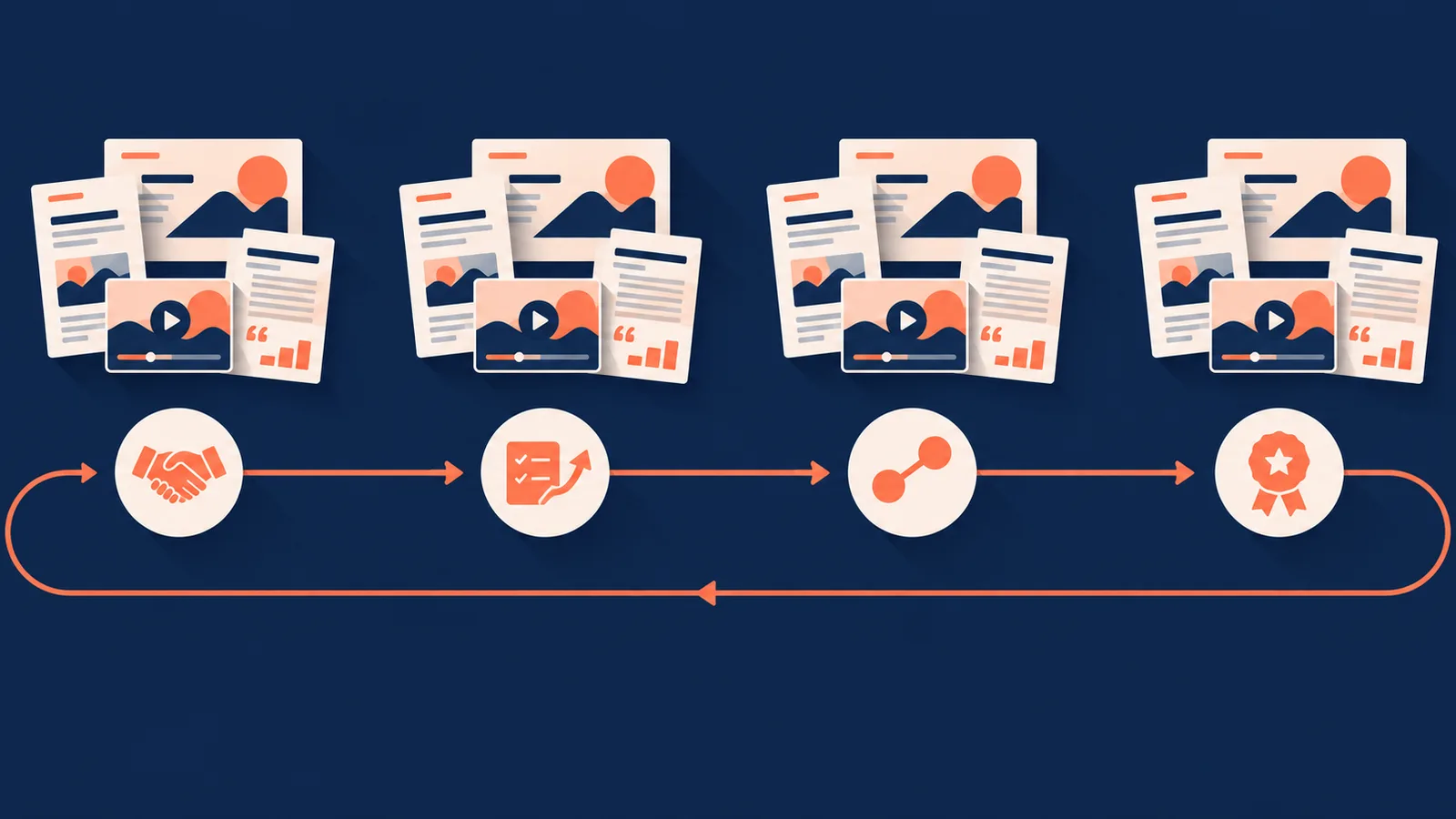
Marketing Collateral Design Services: The Whole Customer Journey
A dedicated team designs your collateral across the whole customer journey: sales, onboarding, referral, and advocacy. What it covers and how to choose one.
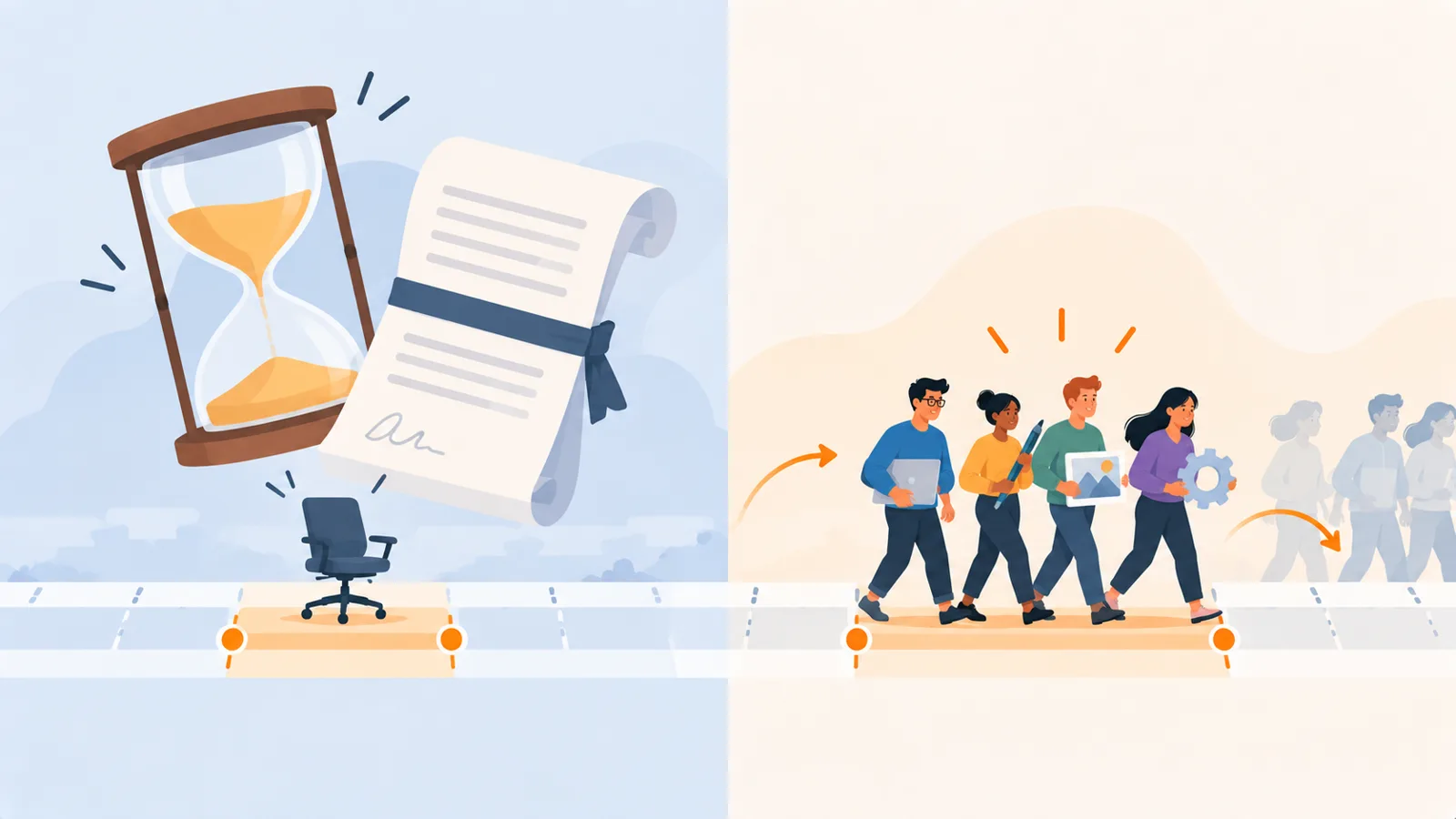
Covering a Designer’s Leave or Hiring Gap Without a 12-Month Contract
A maternity cover, a departure, or a launch needs capacity for a set period, not a permanent hire or a year-long contract. The options, and a faster way.