Web design as a service: how to get an ongoing web team without hiring
Web design as a service gives you ongoing website help on a monthly fee, no hiring. Here is how it works, what it includes, and how to start in two business days.
Web design as a service, also called website as a service or WaaS, is a subscription model where you pay a recurring monthly fee for ongoing website design and build, instead of paying for one project and then chasing whoever is free for every change after launch. You subscribe to an operating website, or to a team that produces your web work, rather than buying a finished design and walking away. It is built for companies that need a website designed, built, and kept moving, but do not want to hire a web designer and a developer to do it.
This guide covers what web design as a service is, how it works, what it includes, who it fits, how it compares to hiring or using freelancers, what to look for in a provider, and how a dedicated web team can be producing your work within two business days.
What is web design as a service?
Web design as a service is an arrangement where design, build, and ongoing changes are delivered on a subscription rather than as a single fixed project. Instead of commissioning a website, paying once, and then negotiating every future update, you pay monthly and keep access to the people or platform that produce and maintain the work.
It is not one standard product. Some providers offer a largely templated website with basic updates and hosting attached. Others give you a tailored design and build, plus content, and access to a team that keeps producing web work as your needs change. The first is a managed website plan. The second is closer to a dedicated web team you reach on a monthly fee. Knowing which one you are buying matters, because they solve different problems.
How does web design as a service work?
Most arrangements follow the same path from sign-up to launch and beyond.
- Choose a plan. Plans vary by the number of pages, design flexibility, support time, ecommerce features, traffic, integrations, and response times.
- Provide a brief and assets. You supply the business context, audience, services, brand, competitors, goals, logo, photography, copy, and contact details.
- The provider designs and builds the site. This may use a pre-designed template, a configurable design system, or a more bespoke build on a platform such as WordPress, Webflow, or Shopify.
- Review and request changes. You review a prototype or staging site, and the agreement sets how many revision rounds are included.
- Launch on your domain. The provider connects the site to your domain and the services in your plan, and you go live.
- Continue under the subscription. After launch you request included changes, send new content, and receive updates according to the plan.
The commercial difference from a one-off project is that the relationship does not end at launch. You are paying for an operating website and ongoing capacity, not a finished file handed over once.
What does web design as a service include?
Scope varies a lot by provider and plan, so read what is actually covered. A well-defined package can include:
- Strategy: initial briefing, sitemap, and a basic audit or competitor review.
- Content updates: text, image, pricing, team, service, or portfolio changes within a monthly allowance.
- SEO basics: technical setup, metadata, headings, indexing configuration, and performance improvements.
- Analytics: Google Analytics or similar tracking, Search Console, and conversion tracking.
- Support: email or ticket support, troubleshooting, training, or scheduled calls.
- Improvements: new landing pages, conversion tests, design refinements, or feature work, if the plan includes them.
Read the inclusions closely, because "content updates included" can mean two small changes a month or a larger block of design and development time. Items like hosting, SSL, mobile responsiveness, backups, and the number of revisions are not automatically part of every plan, so confirm them in writing.
Work that is often separate or limited includes professional copywriting and photography, full brand strategy or visual identity, complex ecommerce, custom applications, large migrations, paid advertising and social management, ongoing content production, major redesigns, premium plugins and licences, translation, and extensive link building. If you need those, check whether the provider covers them or whether you need a team with a wider set of specialists.
Who is web design as a service for?
It tends to fit companies that need a credible, maintained website without building the capability in-house. That includes businesses without an internal web or IT team, companies whose site needs regular but contained updates, startups that want to launch quickly and improve the site over time, multi-location or franchise businesses using a repeatable structure, and firms that would rather outsource the technical side. It is most useful when the website matters for lead generation but is not itself a complex software product: a company that needs new service pages, case studies, landing pages, analytics, and steady maintenance every month.
It fits less well when you need a highly distinctive or strategically complex digital experience, custom software or unusual workflows, complete ownership and portability of every component, or when the website is your core product, such as a SaaS application. If you already have a strong internal web team, you probably do not need it.
Web design as a service vs hiring, freelancers, and an agency
The reason to consider it is usually that the alternatives each have a catch.
Hiring in-house gives you a web designer or developer who knows your business and works closely with your marketing and product teams, but you carry salary, benefits, employer taxes, equipment, and management whether or not the workload is full. One hire also covers one skill, and web work usually needs design, development, SEO, and technical maintenance together.
Freelancers are flexible and often the right call for a one-off build, an unusual design, or a specialist task. The trade-off is reliance on one person: they can be unavailable, they may lack backup for development or SEO, and hosting and maintenance are often treated as separate jobs you coordinate.
An agency gives you a full team and process, but the model is usually project-based with higher minimums, and ongoing changes after launch can mean new quotes each time.
Web design as a service sits across these. You get ongoing capacity without a hire, through one workflow, on a predictable monthly fee. The point to check is what you are actually getting: a templated site with light updates, or a dedicated team that can design, build, and keep producing real web work.
What should you look for in a provider?
A few questions separate a provider that carries the work from one that adds a queue to manage.
Confirm what the team covers. If you need design, development, SEO, and ongoing changes, check the provider has those specialists, not one generalist. Ask how much finished work you get per month, not just how many requests you can submit, so you understand real capacity. Confirm hosting, SSL, backups, maintenance, and revision rounds explicitly, since these are the items most often assumed and not included. Ask who owns quality and direction, because a provider that includes a project manager and a creative director takes the supervision off you. Check how fast you can start, and confirm you receive the source files and can move the site if you leave.
Room4 Teams: a dedicated web team, live in two business days
Room4 Teams is web design as a service built as a dedicated team, not a templated website plan. You get your own team drawn from the talent your work needs, led here by web designers and web developers, alongside UI designers, graphic designers, motion graphics artists, and video editors. The team works only on your brand, so it learns your business once and keeps producing your web and creative work as your needs change, instead of you re-briefing a new person for every update.
You do not hire anyone to get started, and you do not manage the work. The all-inclusive fee covers a project manager and a creative director who own the onboarding, the supervision, and the quality control, so your role is to brief the work and approve it. The fee also covers all the software and AI tools the team needs to produce efficiently, stock video and stock photos, unlimited tasks and revisions, and a secure portal. Because the team is yours, you get production priority instead of a shared queue, you receive the source files, and the team works over Slack or inside your existing tools.
The part that makes it plug and play: you have a full team producing your work within two business days of starting, with no recruitment and no setup month. On cost, a dedicated team runs around 45% less than the loaded cost of hiring the same role in-house (salary plus employer taxes).
See what we produce and how it works, or read design as a service explained and how to scale creative production without growing headcount. When you are ready, request rates and we will reply within one business day.
Frequently asked questions
What is web design as a service?
How does web design as a service work?
What does web design as a service include?
How is it different from hiring or using freelancers?
How fast can a web design as a service team start?
More on Creative Production
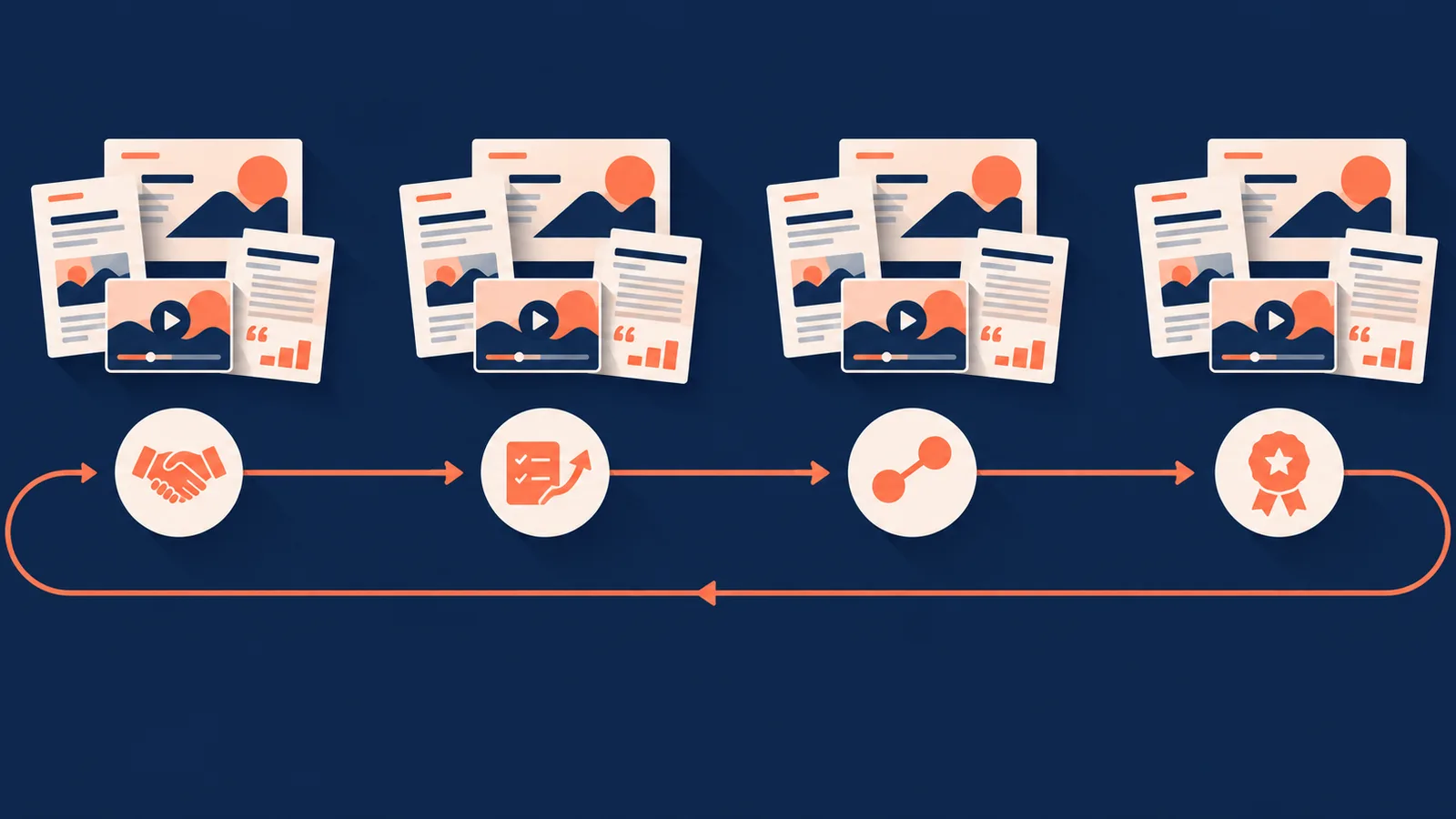
Marketing Collateral Design Services: The Whole Customer Journey
A dedicated team designs your collateral across the whole customer journey: sales, onboarding, referral, and advocacy. What it covers and how to choose one.
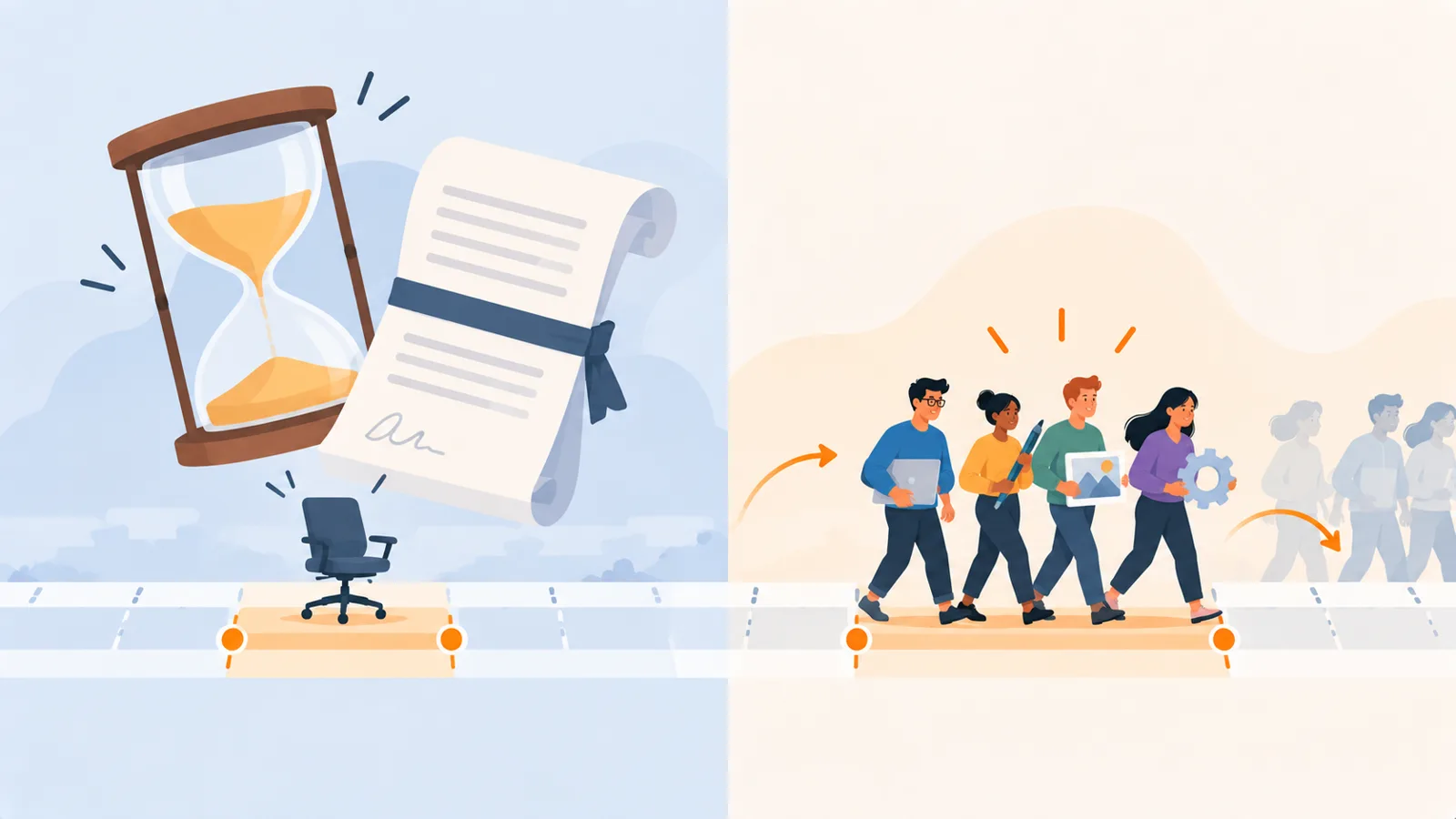
Covering a Designer’s Leave or Hiring Gap Without a 12-Month Contract
A maternity cover, a departure, or a launch needs capacity for a set period, not a permanent hire or a year-long contract. The options, and a faster way.

Creative overflow: handle the peaks without a freelancer scramble
Creative demand spikes then falls. Staff for the peak and you pay for idle time. Compare the overflow options and what gives capacity without a scramble.