Brand consistency at scale: why it breaks and how to keep it
Brand consistency breaks when you scale content across many hands. Here is what causes it, the systems that fix it, and how your team affects it.
Brand consistency at scale means your work stays recognizably connected even when many people produce a high volume of content across many channels. It does not mean every piece looks identical; it means the non-negotiables, positioning, voice, logo, color, and typography, hold while the expression flexes by channel and campaign.
Brands lose it not because creators are careless but because the system fails: unclear rules, scattered assets, and too many hands each interpreting the brand differently. You keep it with two things: systems that make the on-brand path the easy path, and a production setup where the same team learns your brand instead of relearning it every time. This guide covers what breaks consistency, the systems that fix it, and how who produces your work changes the outcome.
What does brand consistency at scale mean?
It means different executions stay connected through shared decisions, not through being copies of each other. A useful rule is to centralize the non-negotiables and decentralize the expression. The brand promise, tone, logo treatment, color system, typography, and claims stay controlled; the concept, the edit style, and the storytelling can flex.
At low volume, one person holds this in their head. At scale, with more channels, more campaigns, and more people producing, that breaks down. Consistency then has to live in a system and a team structure, not in a single brand guardian catching everything by hand.
Why do brands become inconsistent as they scale?
Inconsistency is almost always a system failure, not a careless creator. A few causes show up again and again.
Ambiguous strategy is the root of many: if positioning, audience, and personality are unclear, every creator fills the gaps with personal judgment. Static guidelines are another: an 80-page PDF describes rules but does not show how they apply to a short video, a sales deck, or a local market. Scattered assets force people to grab files from old folders and searches because they cannot find the current approved version. Speed pressure pushes teams to skip reviews and reuse assets wrongly. And unclear ownership means everyone touches the brand but no one has final say.
The biggest cause at scale is simply too many hands. Internal teams, freelancers, several agencies, regional offices, and partners each interpret the brand differently. Every new set of hands that does not know your brand is a new source of drift.
What systems keep a brand consistent?
The goal of every system below is the same: make the correct path faster than improvising. Four systems carry most of the load.
The first is a living brand hub, a searchable, current source of the strategy, messaging, voice with good and bad examples, visual rules, and the assets, not a PDF nobody opens. The second is a governed asset library with one canonical version of every approved asset, so no one ships last year's logo. The third is a design system of modular templates that lock what must not change, logo placement, type hierarchy, legal copy, and leave room for the content to flex. The fourth is a workflow with risk-based approval: a routine social post from an approved template does not need the same review as a new campaign or a regulated claim. Match the review to the risk, so control does not become a bottleneck that teams route around.
Who owns brand consistency?
At scale, ownership splits into layers. A central brand or creative operations function owns the infrastructure and the quality bar: the strategy, the design system, the hub, the high-risk approvals. It works less like a department that makes everything and more like a platform that lets everyone else stay on brand.
Around it sit the people who produce most of the work: in-house creators, channel teams, and outside production partners. They should be applying the standards, not reinterpreting them from scratch each time. Larger organizations add brand champions in each team or market to catch local drift early. The structure matters because consistency is a shared job with clear decision rights, not a single person's heroics.
How does your production team affect brand consistency?
This is the part most guides skip. All the systems in the world still get executed by people, and who those people are decides how much drift you get. The single biggest cause of inconsistency at scale is too many hands that do not know your brand. So the way you resource production is a consistency decision, not just a cost one.
| Production setup | Effect on consistency |
|---|---|
| Rotating freelancers | Each learns the brand from scratch; quality and interpretation vary by person |
| Shared subscription queue | Work goes to whoever is free, so no one builds deep brand memory |
| A dedicated team | The same people produce for you and learn the brand over time, so drift falls as they go |
A dedicated team is not a replacement for your brand system; it is the production side that keeps the system honest. The same people work from your hub and templates every day, so they internalize the rules instead of guessing at them, and a single point of creative direction holds the quality bar across everything they make.
How Room4 Teams helps keep your brand consistent
Room4 Teams gives you a dedicated creative team that produces inside your brand system: your hub, your templates, your rules. Because it is the same team every time, it learns your brand deeply and produces across graphic design, motion graphics, video, social ads, and web design and development without relearning your standards on each task. A dedicated creative project manager runs communication and quality control, and creative direction holds the brand as a single quality bar, so the hundredth asset matches the first. See what we produce.
You choose how it runs. The managed service takes the briefs and returns finished work, from one team member up, on one fixed monthly fee that covers unlimited tasks, unlimited revisions, and the full tech stack: all software, all AI tools, and all the stock libraries we use. The integrated option embeds our creative production in your tools. You set priorities and approve the output; we remain responsible for our people, methods, and quality.
On cost, a dedicated team runs around 45% less than the loaded cost of hiring the same role in-house (salary plus employer taxes). See dedicated team pricing. The team starts within two business days and flexes with one month's notice. For the operating side of this, read creative operations; for the sourcing side, graphic design outsourcing. Agencies can have the team produce under their own brand and their clients' brands: see white label.
What to do next
Audit where your work actually comes from before you rewrite another guideline. Count the hands producing your content this quarter, then ask how many of them have produced for you before.
Systems set the standard. The team applies it every day.
Frequently asked questions
What is brand consistency at scale?
What causes brand inconsistency?
How do you keep a brand consistent across a lot of content?
Who is responsible for brand consistency?
Does a dedicated creative team improve brand consistency?
More on Creative Production
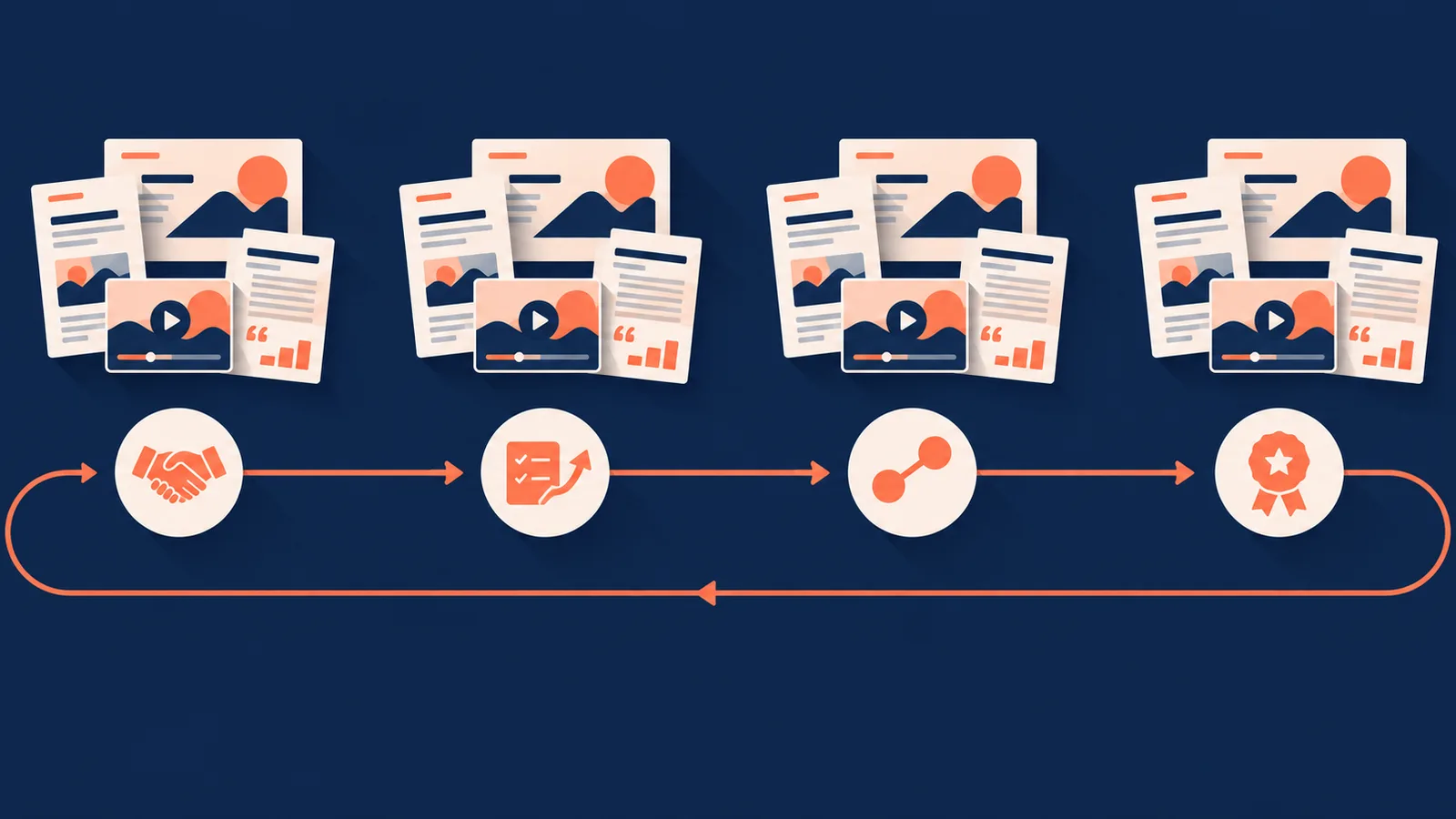
Marketing Collateral Design Services: The Whole Customer Journey
A dedicated team designs your collateral across the whole customer journey: sales, onboarding, referral, and advocacy. What it covers and how to choose one.
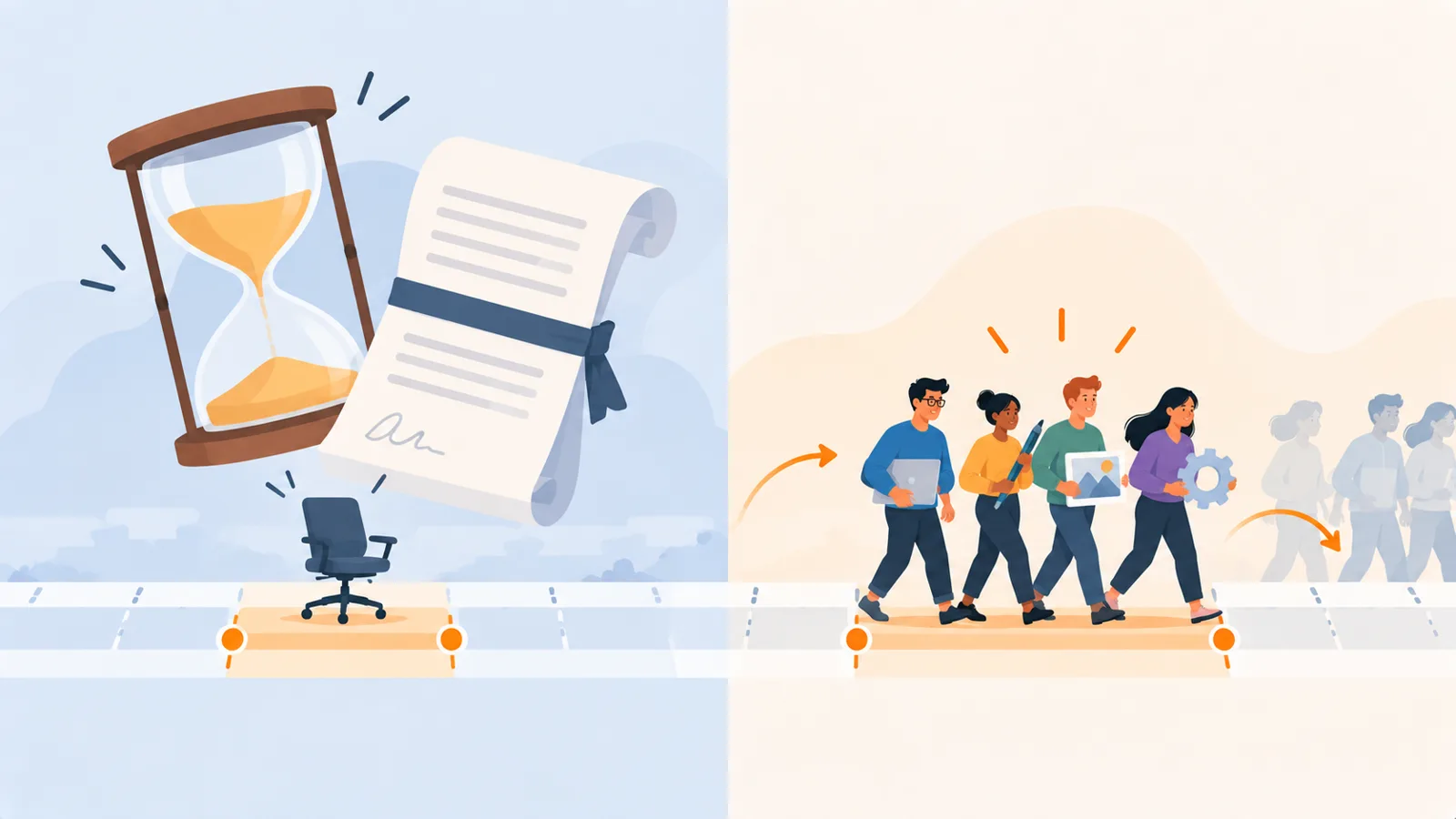
Covering a Designer’s Leave or Hiring Gap Without a 12-Month Contract
A maternity cover, a departure, or a launch needs capacity for a set period, not a permanent hire or a year-long contract. The options, and a faster way.
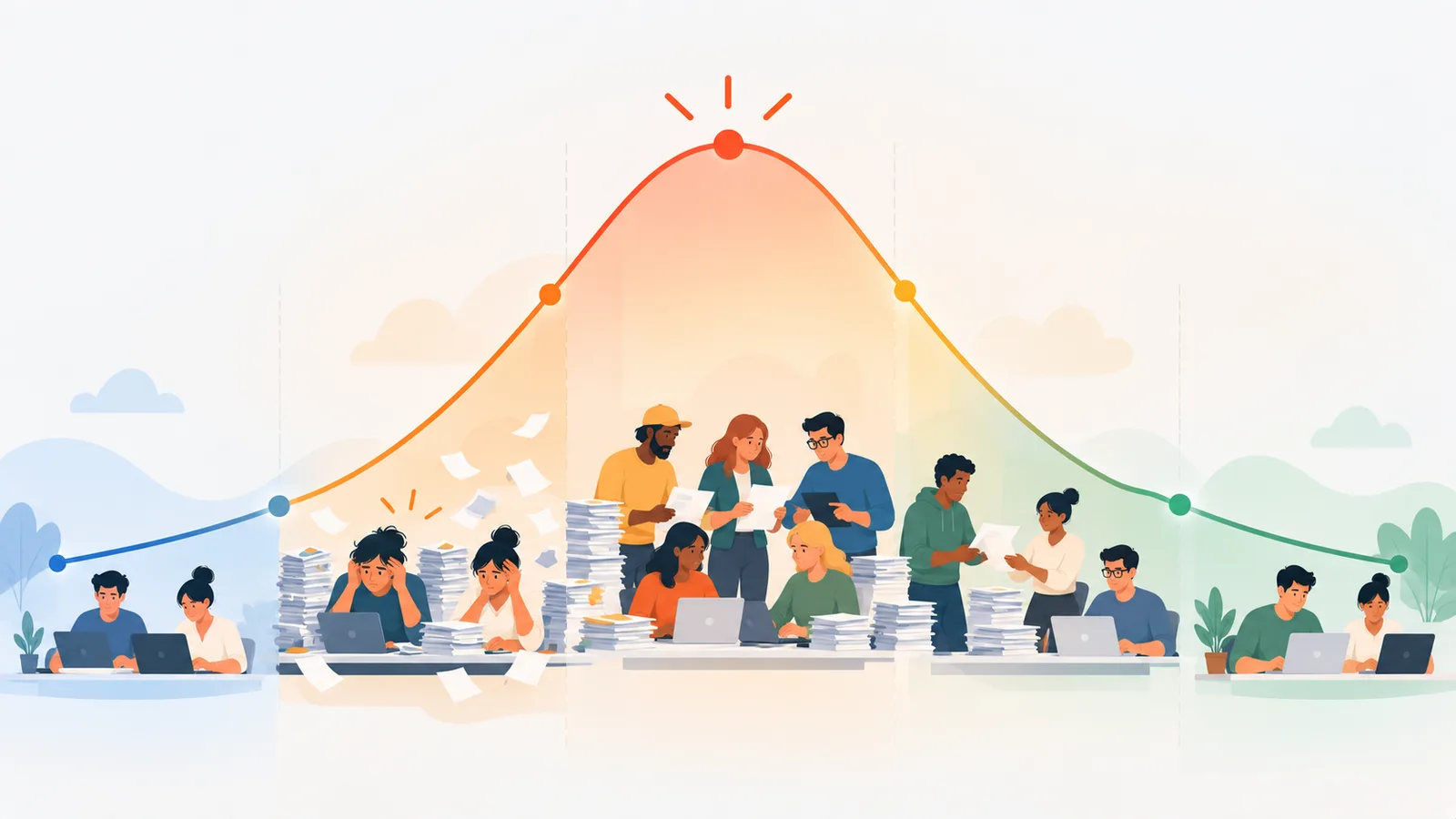
Creative overflow: handle the peaks without a freelancer scramble
Creative demand spikes then falls. Staff for the peak and you pay for idle time. Compare the overflow options and what gives capacity without a scramble.